What happens if you send crypto on the wrong network?
The transaction succeeds, the balance doesn't change, and the sender panics. What actually happened to the money, and who can get it back.
· 2 min read
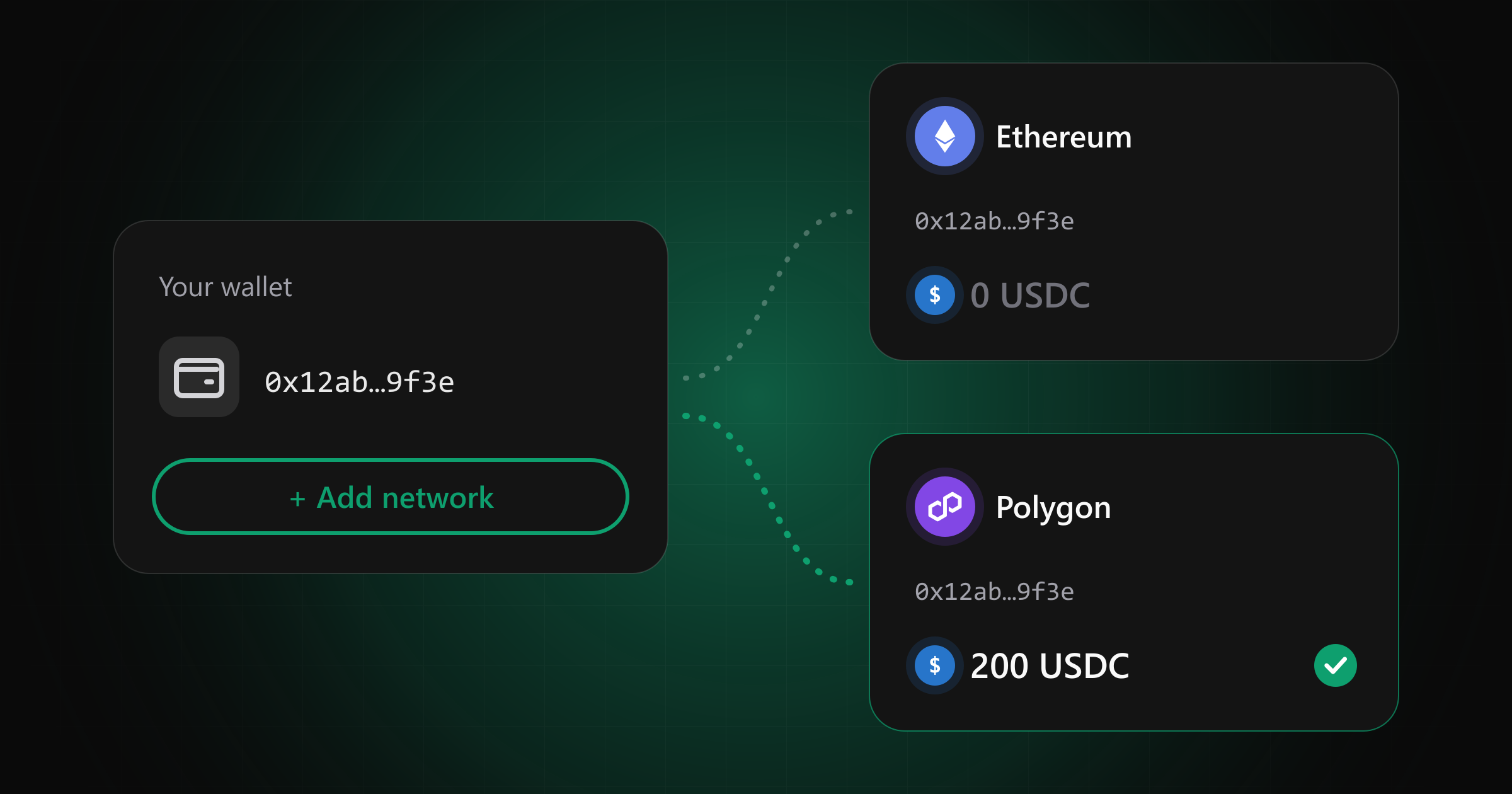
A supporter sends you 200 USDC. Their wallet says the transfer went through and the block explorer agrees, but your balance hasn't moved. They sent on Polygon. You were watching Ethereum.
If that address is in your own wallet, the money isn't lost, though it can feel that way for an hour. USDC on Polygon and USDC on Ethereum are separate balances on separate chains, and your wallet may only be showing you one of them. Ethereum, Polygon, Base, Arbitrum, Optimism, Avalanche's C-Chain and BNB Chain share one address format, so a sender's wallet has no reason to object when an Ethereum address is pasted on any of the others.
Who can get it back
That comes down to who holds the keys to the receiving address.
If it's your own wallet with a seed phrase, you can usually fix this yourself. The same seed phrase generally gives you the same address on all of those chains, so add the other network to your wallet and the funds should appear, though you may have to add the token by hand. You'll need a little of that network's gas token to move them.
Smart contract wallets are harder. A contract deployed on Ethereum doesn't automatically exist at the same address on Polygon, and sometimes it can't be recreated there at all.
An exchange deposit address is the case people most often run into, and it's out of your hands. The exchange controls the keys, so only its support team can move the funds. Some will try for a fee, which can run to hundreds of dollars, others won't touch it, and none can promise it will work. Have the transaction hash ready when you write to them.
Sending between chains with different address formats, like Ethereum to Solana, mostly fails before any money moves because the wallet rejects the address. If a transfer does land on the wrong kind of chain, recovery is unlikely.
One warning: strangers who show up in your replies offering to recover funds are scammers, nearly without exception. Nobody helping you needs your seed phrase.
Stopping it before it happens
As the sender, ask which network before you ask for the address, and send a small test first if the amount would hurt to lose.
As the person getting paid, the fix is to stop sending bare addresses. "0x71C7..." tells the sender nothing about where you expect the money. Write the network next to it every time, along with the tokens you accept. On a WalletTree page, each address sits next to its network, its accepted tokens and a warning to send only on that network.
It won't catch everything. An Ethereum address added under Base looks perfectly valid, so our checks can only catch some typos and addresses from a different family of networks. The label is what does the rest of the work.
Keep reading
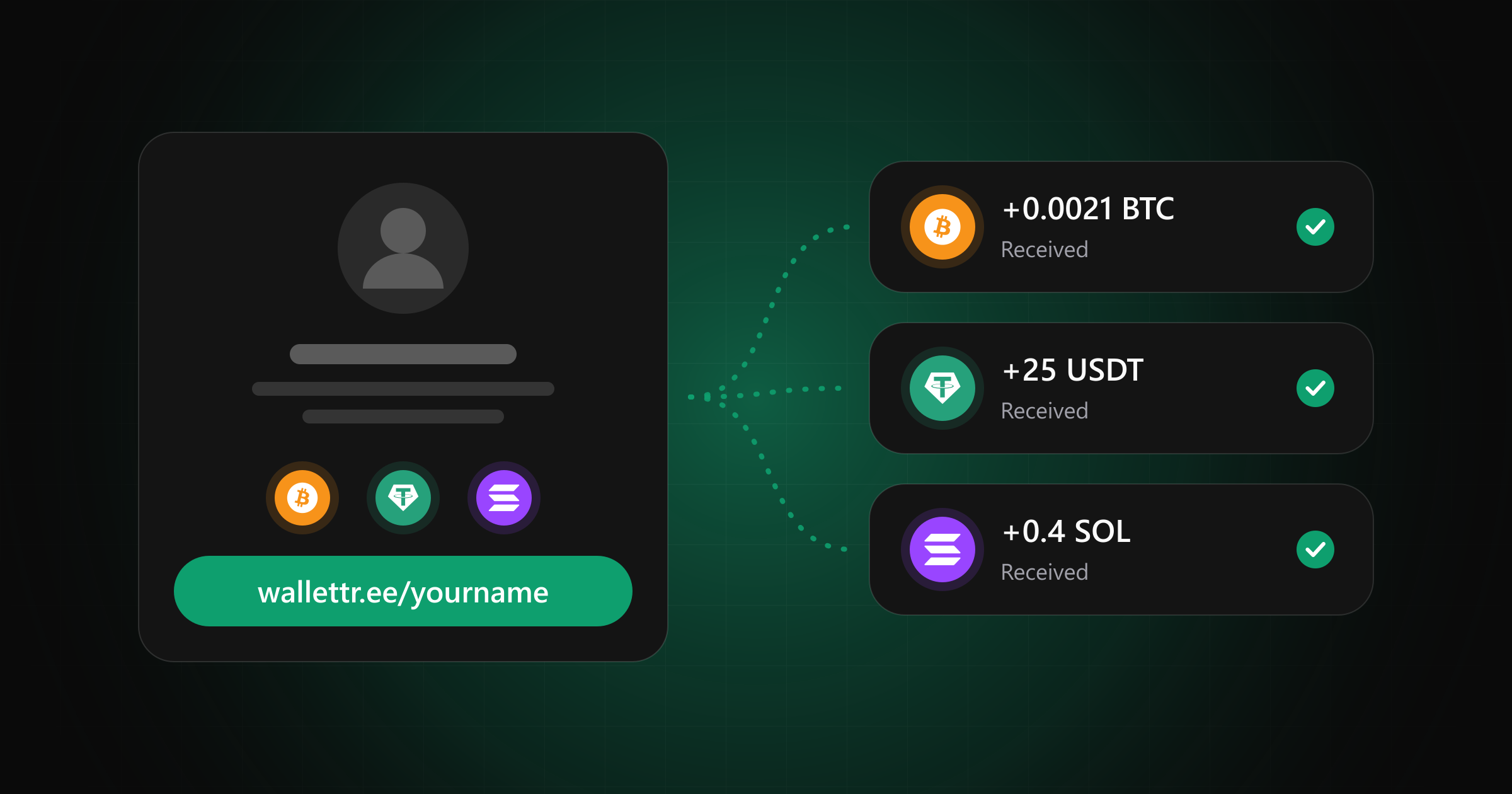
How to accept crypto payments as a creator
You don't need a payment processor. Put one link in your bio and let your audience send crypto straight to your wallet.
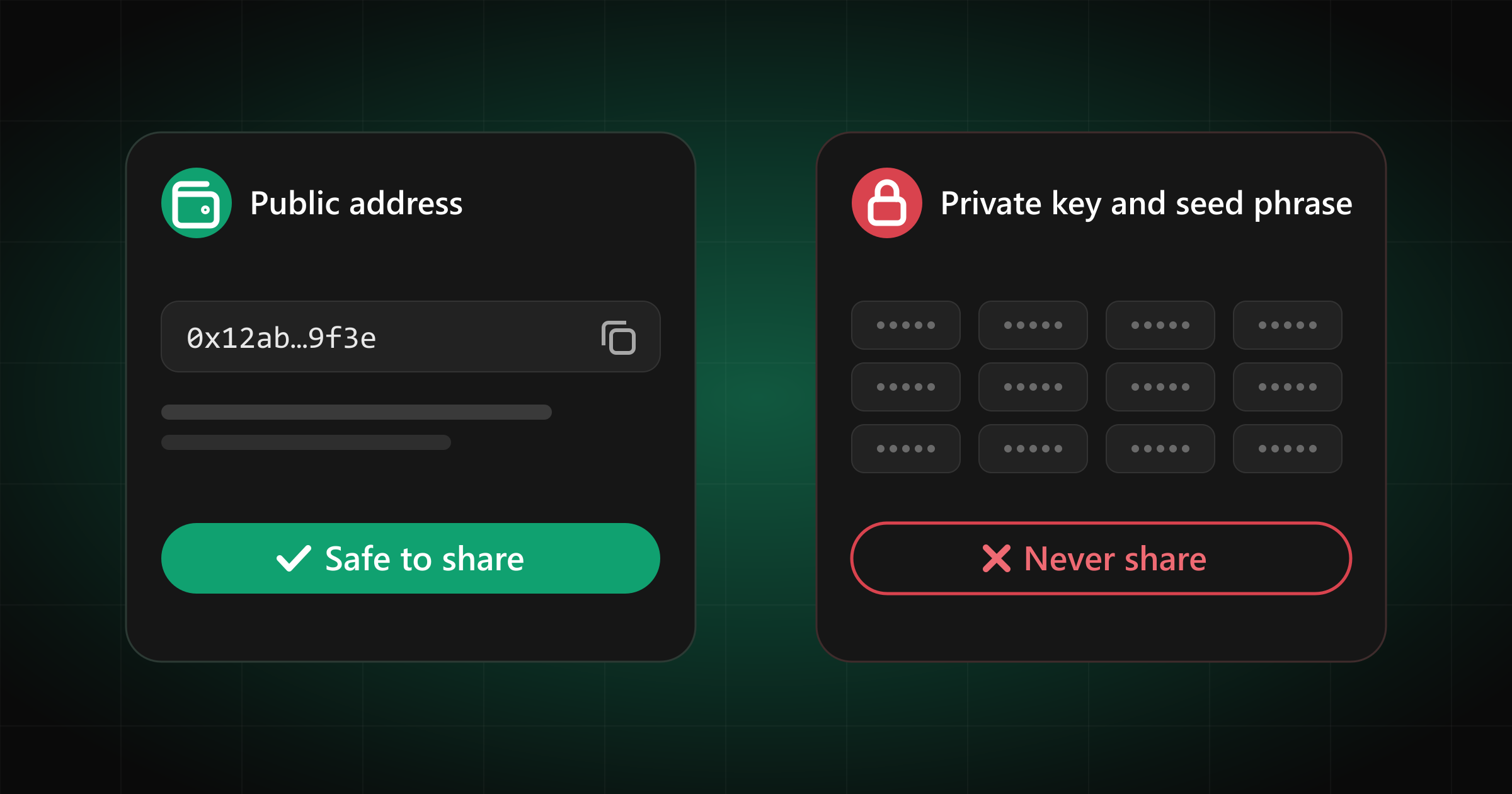
Is it safe to share your crypto wallet address?
Nobody can drain your wallet with your public address. They can read your whole transaction history, though, and that deserves more thought.